
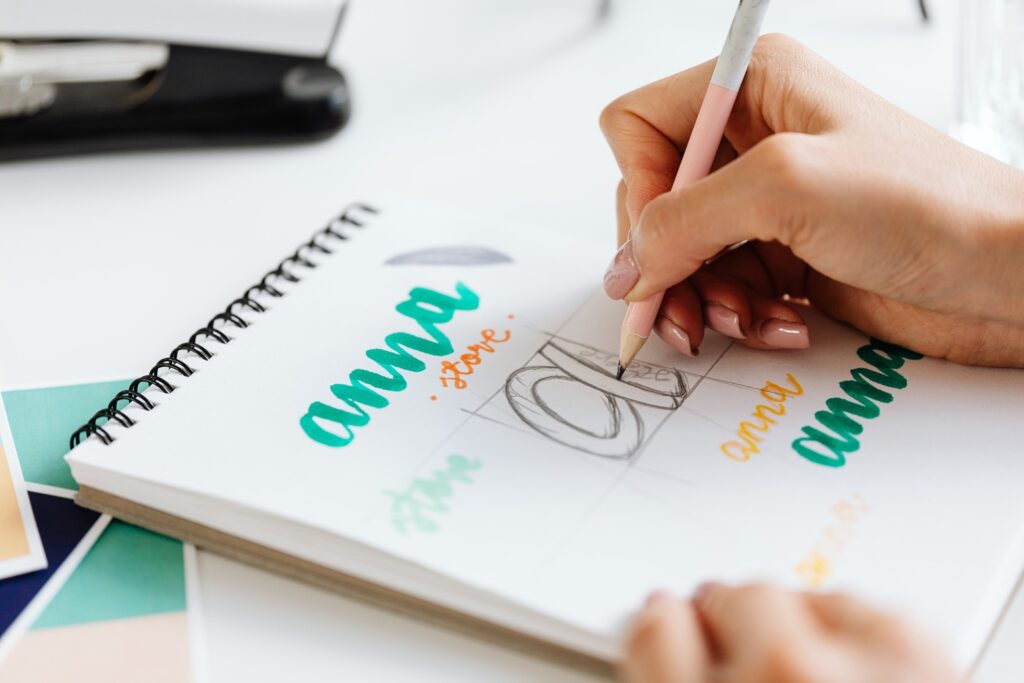
Every startup begins with an idea. The first logo, colours, and social media graphics are often created to get the business moving as quickly as possible.
At that stage, the priority is usually launching the product, finding customers, and proving that the business can work.
But as the business grows, its identity may begin to feel outdated or disconnected from what it has become.
So, when is the right time for a startup to rebrand?
The answer is not necessarily when the logo starts looking old. It is when the existing brand no longer represents the business, connects with its audience, or supports its direction.
1. Your Business Has Outgrown Its Original Identity
Many startups begin with a narrow product offering or a small target market. Over time, they may expand into new services, reach different audiences, or enter new markets.
The brand that worked during the early stages may no longer communicate the full value of the business.
For example, a small business that began by selling handmade products might eventually develop into a premium lifestyle brand. Its original visual identity may not reflect the quality, range, or positioning of its new offering.
A rebrand can help communicate that evolution clearly.
2. Your Target Audience Has Changed
As businesses learn more about their customers, they sometimes discover that their original audience is not the audience they can serve best.
A startup may initially target individual consumers but later focus on corporate clients. Another may move from serving budget conscious customers to offering premium solutions.
These shifts can affect everything from brand messaging and tone of voice to visual identity and marketing materials.
If your brand continues speaking to the audience you started with rather than the audience you now serve, it may be time to reassess your positioning.
3. Your Brand Looks Inconsistent Across Platforms
Your logo might look good on Instagram but fail when printed on packaging. Your website may communicate professionalism while your social media graphics feel unrelated. Your presentations, proposals, and marketing materials may all look as though they belong to different businesses.
This inconsistency can make it difficult for customers to recognise and trust your brand.
A rebrand or brand identity refresh can establish clear guidelines for colours, typography, logo usage, imagery, and communication.
The result is a more cohesive experience wherever customers encounter the business.
4. You Are Struggling to Stand Out
A crowded market makes differentiation important.
If your brand looks and sounds too similar to competitors, customers may struggle to understand what makes your business different.
Before changing the visuals, however, examine your positioning. A new logo alone will not solve a problem caused by an unclear value proposition or an undifferentiated product.
A meaningful rebrand begins by identifying what the business does differently, who it serves, and why customers should care. The visual identity then helps communicate that distinction.
5. Your Business Is Preparing for a Major Change
Certain business milestones can make rebranding particularly valuable.
These include launching a new product line, entering a new market, merging with another company, changing ownership, or repositioning the business for a different level of growth.
A rebrand can help communicate the change to customers and stakeholders, provided the new identity reflects a genuine strategic direction rather than a temporary trend.
Rebrand or Refresh: Which Do You Need?
Not every branding challenge requires a complete overhaul.
A brand refresh updates selected elements of an existing identity, such as typography, colours, photography, or layout, while preserving its core recognition.
A full rebrand may involve deeper changes to positioning, messaging, naming, visual identity, and the overall customer experience.
If customers already recognise and trust your brand, a refresh may be sufficient. If your business has fundamentally changed direction, a more comprehensive rebrand may be appropriate.
When Should You Avoid Rebranding?
Rebranding is not a guaranteed solution to poor sales.
If the real problem is weak customer service, inconsistent product quality, ineffective distribution, or an unclear business model, changing the logo will not fix it.
Similarly, constantly changing your identity because a new design trend looks attractive can weaken recognition and waste resources.
Start with the business problem, not the visual solution.
How to Prepare for a Successful Rebrand
Before beginning, assess your current identity, customer perceptions, competitors, business goals, and future direction.
Define what must change and what should remain familiar. Establish a clear budget, prepare a rollout plan, and ensure your website, social media, packaging, and other customer touchpoints are updated consistently.
Most importantly, make sure your team understands the reasoning behind the change.
Final Thoughts
Your startup does not need to rebrand simply because it has been in business for a certain number of years.
It needs to rebrand when its identity no longer supports its strategy, reflects its value, or connects with the people it wants to serve.
The right rebrand is not about making your business look different. It is about helping people understand what your business has become and where it is going next.